

Where airmeetsblood. — Dr. Hamed Valizadeh
Internal Medicine Specialist, Pulmonology Subspecialist, Cell Therapy Tabriz
For a cough that will not go, breathlessness, lung fibrosis or a CT report that worries you. We find the cause first, then talk about treatment.
One symptom, several possible causes.
Dr. Hamed Valizadeh is an internal medicine specialist and pulmonology subspecialist with a focus on cell therapy, in Tabriz. The lung is where air meets blood, and anything that affects the airways, the walls of the air sacs or the lung vessels can cause a cough or breathlessness. That is why one symptom has several possible causes and is not investigated the same way each time. This site helps you know which page fits your symptom or CT report, when not to wait for an appointment, and what to bring to the first visit.
More about the doctorFrom a lasting cough to fibrosis, in plain language.
These pages explain what each problem is, how it is assessed and how treatment generally goes. Your diagnosis and treatment plan are decided by the doctor after an examination.
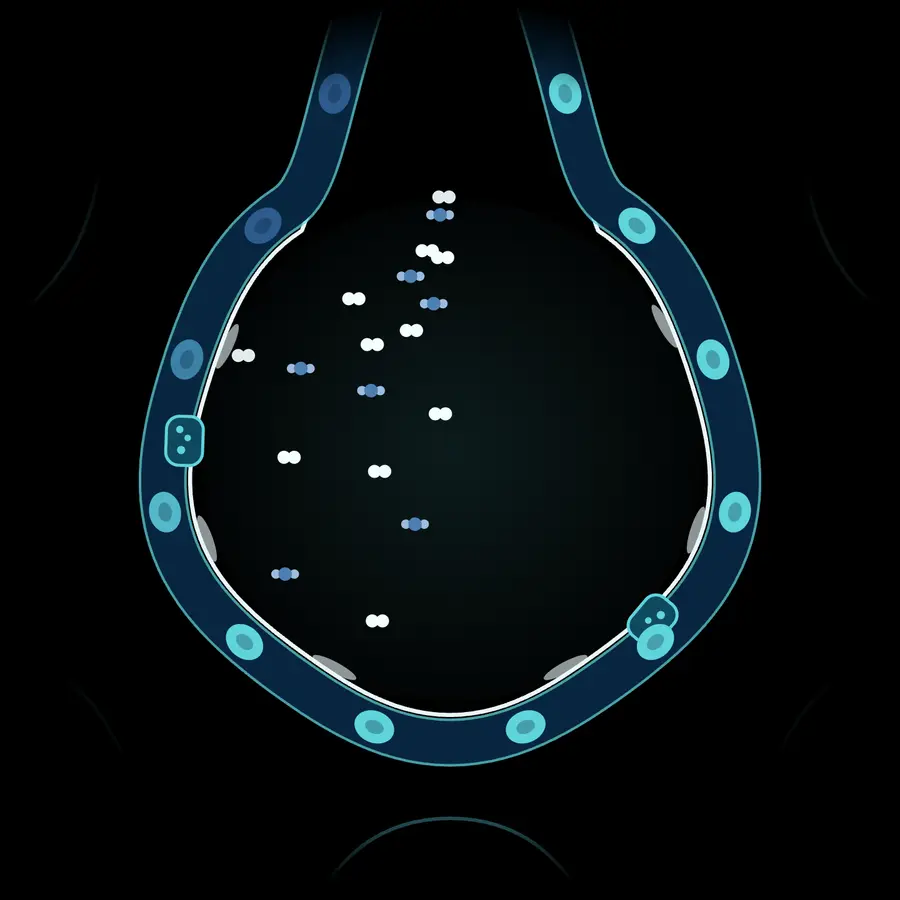
Fibrosis and interstitial lung disease
In these diseases the thin wall of the air sacs becomes thick and stiff. Breathlessness that slowly grows and a dry cough are the two main symptoms. Finding the type comes first, because treatment depends on it.
Read moreAsthma and COPD
Wheezing, a night cough, or breath that runs out on the stairs. The two look alike and are not treated the same way, so the right diagnosis comes before any inhaler.
Read moreLong-lasting cough and breathlessness
A cough past three weeks, or breathlessness with no clear cause. How the cause is found, and the signs that should not wait.
Read moreLung nodules and pleural effusion
When something has been seen on an X-ray or CT. Most nodules are benign but need a follow-up plan. An effusion is a sign, and its cause has to be found.
Read moreCell therapy in lung disease
What cell therapy is, how far research has come, and what to ask before any treatment offer. No promises.
Read more
From the first cough to a treatment plan
Most lung symptoms have several possible causes, and no single test gives the diagnosis. Each step answers a question, and at each step you know what comes next.
- Step 1 of 5.
Listening to your story
When did it start? What is your work and home environment? Do you smoke cigarettes or a water pipe? Which medicines do you take? Bring earlier results and scans too.
- Step 2 of 5.
Examination and oxygen check
Listening to the lungs, looking at the hands and feet, and measuring blood oxygen at rest and sometimes while walking.
- Step 3 of 5.
Spirometry and imaging
Spirometry measures how the lungs work, and an X-ray or CT shows their structure. Only tests that answer your question are done.
- Step 4 of 5.
Reaching a diagnosis
Symptoms, examination and results are read together. Sometimes a bronchoscopy or a biopsy is needed too, and you know the reason beforehand.
- Step 5 of 5.
Treatment plan and follow-up
You set the plan together and know when the follow-up is. Severe breathlessness, blue lips or coughing up blood do not wait for the next appointment.
With you at every stage of diagnosis, treatment and follow-up.
The patient support form has six sections: laboratory, imaging, pharmacy, referral to doctors, rehabilitation and wellbeing, and services at home.
Medical diagnostic laboratory
Quick appointments and quick results.
Medical imaging and ultrasound
CT scan, MRI, specialist ultrasound, PET scan, mammography, densitometry and radiography.
Pharmacy and specialty medicines
You write the name of the pharmacy on the form.
Referral to specialists and sub-specialists
You write the name of the doctor or the specialty you want on the form.
Rehabilitation and wellbeing
Quick appointments and referral to rehabilitation and wellbeing specialists, arranged by the support team.
Treatment and rehabilitation at home
Specialist treatment and rehabilitation services at home.
Wherever the form says "free", that service is free.
What is worrying you?
Tap what you are facing to reach the matching page. This list is not a diagnosis; it only points you to the right page.
- A cough past three weeks
- Breathless on effort
- Wheezing
- The word "fibrosis" in a CT report
- A nodule on CT
- Pleural effusion
- Breathless after COVID
- Using an inhaler properly
- Oxygen at home
- A question about cell therapy
Sudden severe breathlessness, chest pain or pressure, blue lips, sudden confusion, or coughing up more than a few streaks of blood cannot wait for an appointment. Call 115 (Iran's emergency number). When should I act urgently?
Simple answers to the first questions.
Which cough should I take seriously?
Most coughs clear up by themselves within three to four weeks. A cough lasting more than three weeks should be examined. Unexplained weight loss, a lasting fever or a weak immune system are also reasons to be seen. Have coughing up blood, chest pain or difficulty breathing checked sooner.
What does lung fibrosis mean? Can it be treated?
Fibrosis means the tissue around the air sacs has become thick and stiff and left scarring. Treatment does not reverse the scars, and idiopathic pulmonary fibrosis has no cure at present. Even so, medicines can slow some types, and pulmonary rehabilitation and oxygen make daily life easier. How fast it progresses varies widely between people.
A nodule was seen on my CT. Does it mean cancer?
Most lung nodules are not cancer and can be the mark of an old infection or inflammation. But a scan alone cannot settle the question completely, so the doctor sets a follow-up plan from its size, its appearance and your history. Do not put off the follow-up CT.
Will cell therapy help my lung disease?
Research continues, but the evidence still comes from small studies, and no benefit can be promised to an individual patient. Bodies such as the US FDA have warned about unapproved products sold for COPD and emphysema. Before any decision, go through the questions on the cell therapy page with your doctor, and do not stop your current treatment.
What is spirometry? Does it hurt?
You blow as hard as you can into a mouthpiece, and the device measures how much air comes out and how fast. It does not hurt, but it may make you a little dizzy. The preparation is in the patient guide.
I feel fine. Can I stop my inhaler?
No. A preventer inhaler is used every day, even without symptoms, because its effect is not immediate. Stopping or reducing it is your doctor's decision.
Can I adjust my home oxygen myself?
No. Your doctor sets the amount and the hours. Too little strains the heart and brain, and too much can slow breathing in some patients. Feeling well does not always mean your oxygen is enough.
When should I go to the emergency room?
If you are so breathless you cannot finish a sentence, your chest feels heavy or painful, your lips have turned blue, you are suddenly confused, or you cough up more than a few streaks of blood, call 115 and do not drive yourself. The full list is in the patient guide.
Does the doctor provide cell therapy directly?
Details will be announced once the doctor confirms them.
Do you work with insurance?
The list of insurers will be announced soon.
Do you offer online follow-up?
Details will be announced once the doctor confirms them.
These answers are general and do not replace your doctor's advice for your situation.
The first step, a calm conversation.
Go to the booking page or talk to support. Have your earlier results and scans ready.
Support number